Home
/
Red Raspberry Seeds for Planting 100+ Pcs Seeds Heirloom Non-GMO Fruit

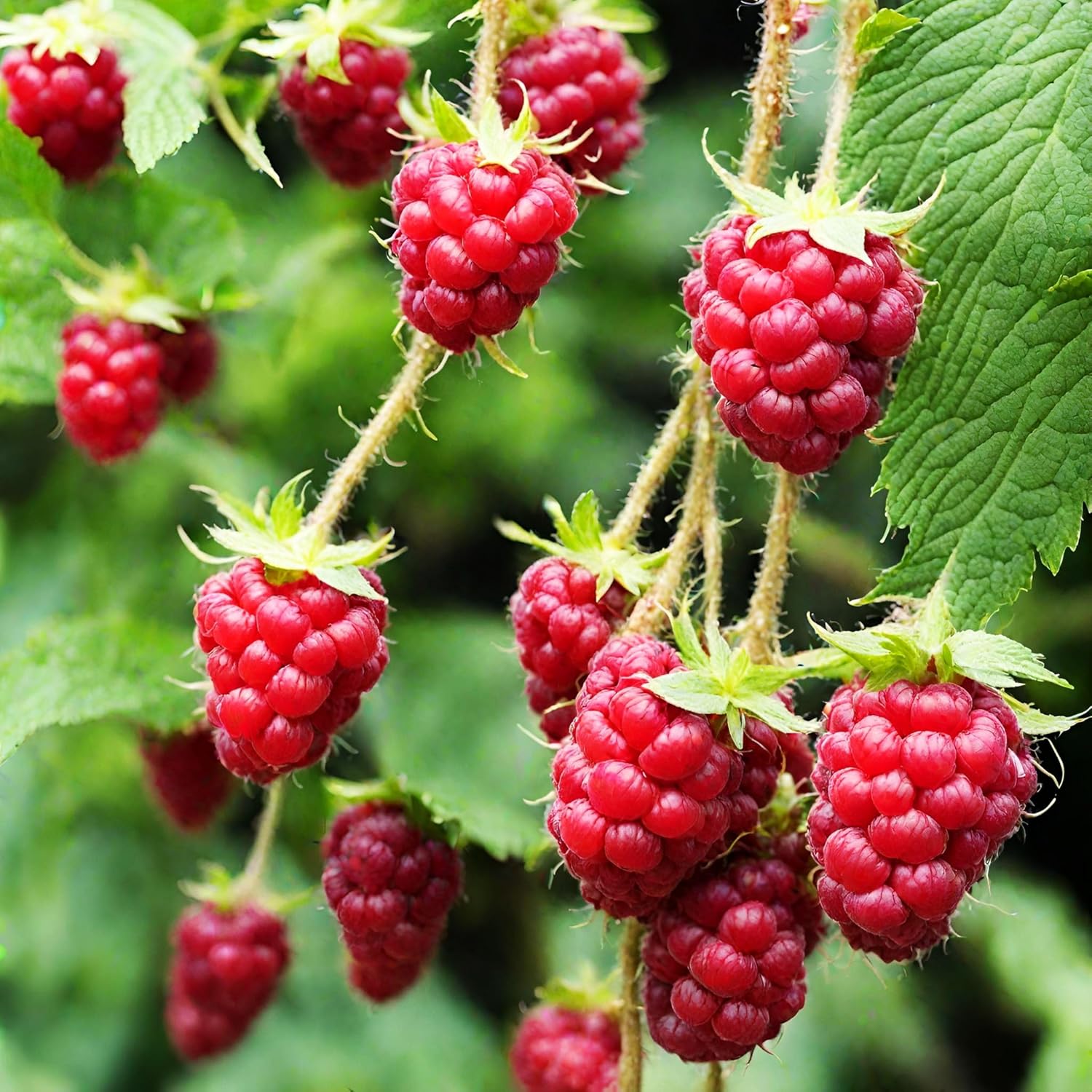
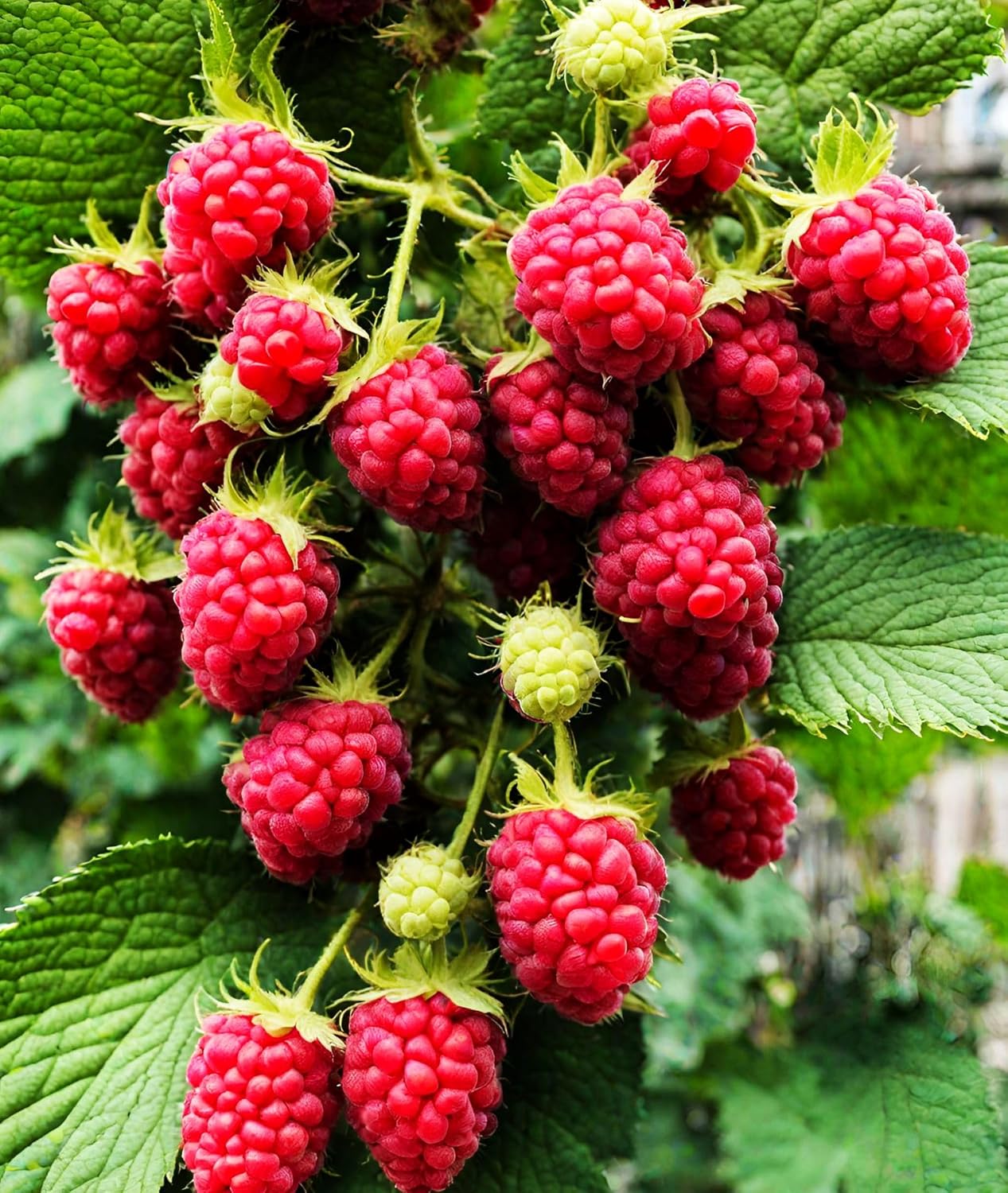


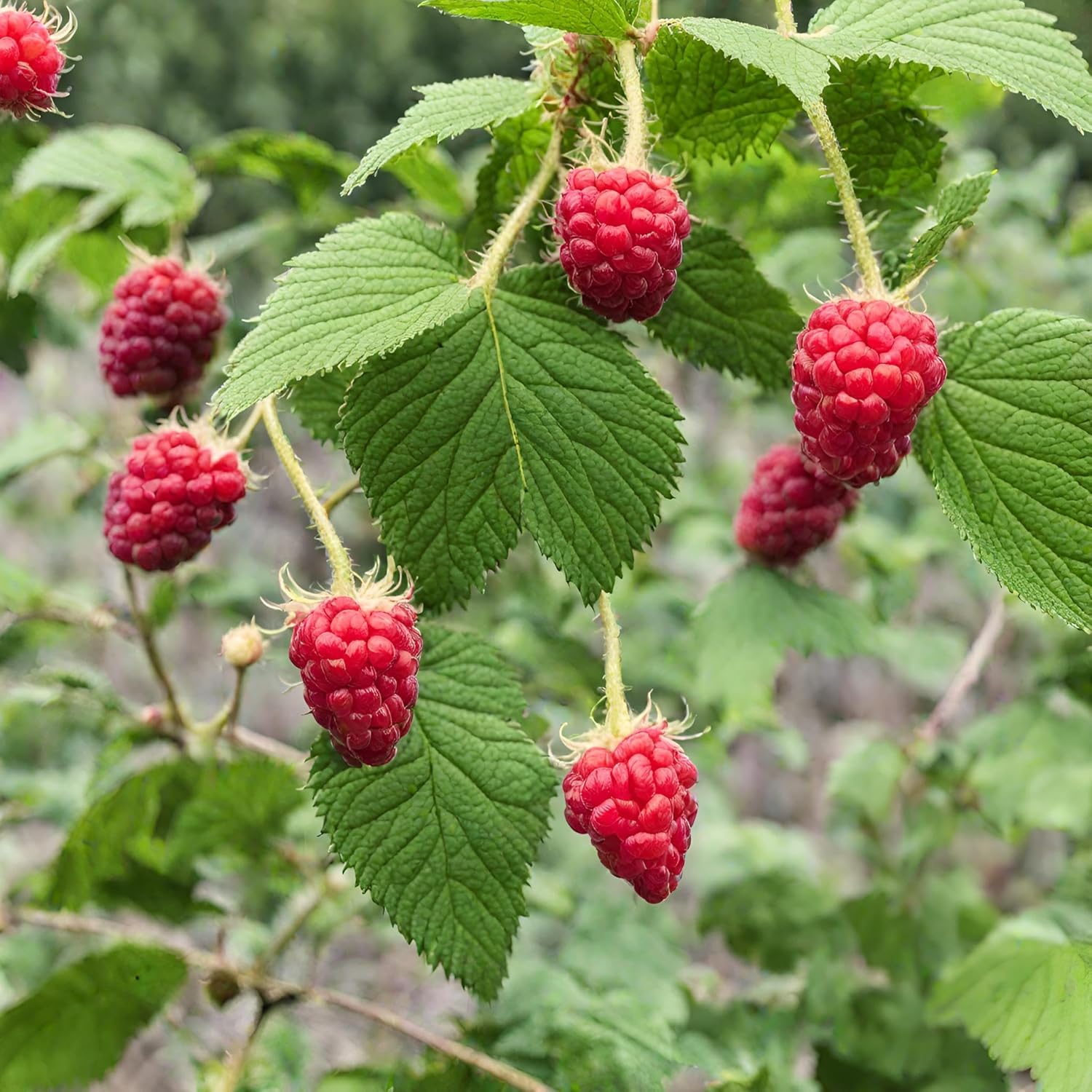
Red Raspberry Seeds for Planting 100+ Pcs Seeds Heirloom Non-GMO Fruit
Quantity
-
Detail
Indoor/Outdoor Usage Outdoor Brand Seeds Of Strength Material Feature Heirloom Color red Special Feature Attracts Pollinators Expected Blooming Period Spring to Fall Sunlight Exposure Full Sun Unit Count 100.0 Count Expected Planting Period Spring Expected Plant Height 10 Inches About this item
- Grow Your Own Sweet Treats: Highlight the ability to cultivate delicious raspberries straight from seed in your own garden.
- Heirloom & Non-GMO: Target health-conscious gardeners who appreciate the unique genetics and absence of GMOs.
- Rewarding Challenge: Mention the satisfaction of growing your own raspberries from seed, appealing to those who enjoy the gardening process.
- Plenty of Seeds for Sharing: The 100+ seed count allows for planting some and sharing some with fellow gardening enthusiasts.
- Fruity Abundance: Promise a bountiful harvest of red raspberries to enjoy fresh, in jamsak.
›Indoor Outdoor Usage Outdoor Other Special Features of the Product Attracts Pollinators Expected Blooming Period Spring to Fall Sunlight Exposure Full Sun Expected Planting Period Spring Expected Plant Height 10 Inches Soil Type Sandy Soil Moisture Needs Regular Watering Propagation from Seeds:
Stratification: Raspberry seeds require cold stratification. Mix them with damp sand and store them in the refrigerator for about 3 months.
Starting Indoors: Sow in early spring in individual pots filled with seed-starting mix.
Surface Sowing: Press seeds lightly into the soil surface – they need light to germinate.
Conditions: Keep the soil moist and the environment warm (around 70°F or 21°C)
Patience: Germination can be slow and erratic.
Aftercare:
Thinning: Keep only the strongest seedlings once they have a few true leaves.
Transplanting: Plant outdoors in a sunny, well-drained location once they are well-established, spacing plants about 3 feet apart.
Support: Provide a trellis or support system for the canes.
-
Customer ReviewsNo comments
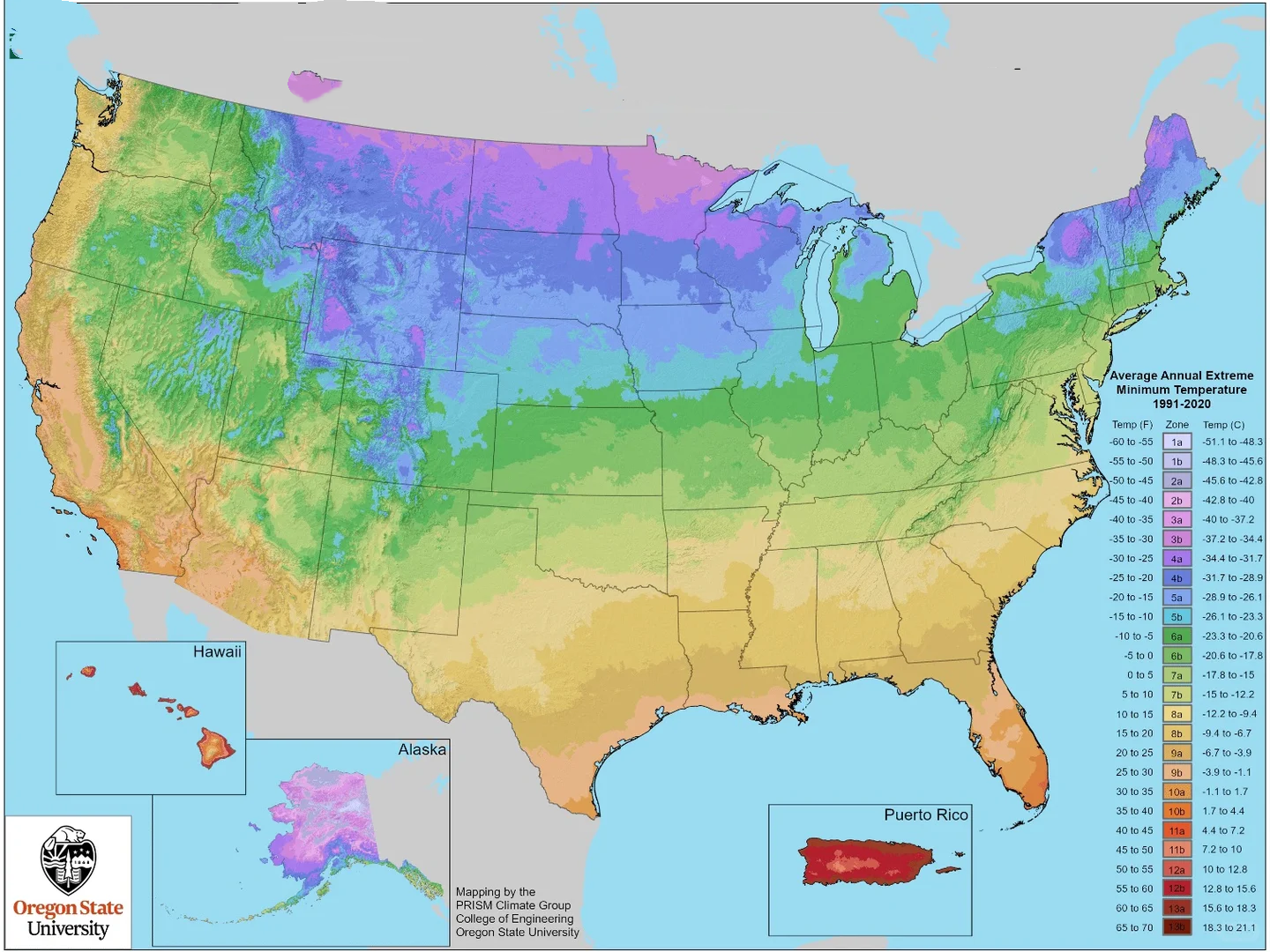
Here's the latest USDA Plant Hardiness Zone Map
- a colorful guide showing which perennial plants are most likely to survive winter in different regions across the U.S. and parts of North America.