Home
/
2300+ Seeds Perpetual Strawberry Four Seasons Strawberry Seeds Fruit Seed for Planting Heirloom Non-GMO Seed for Hydroponic Garden Sweet High Yields
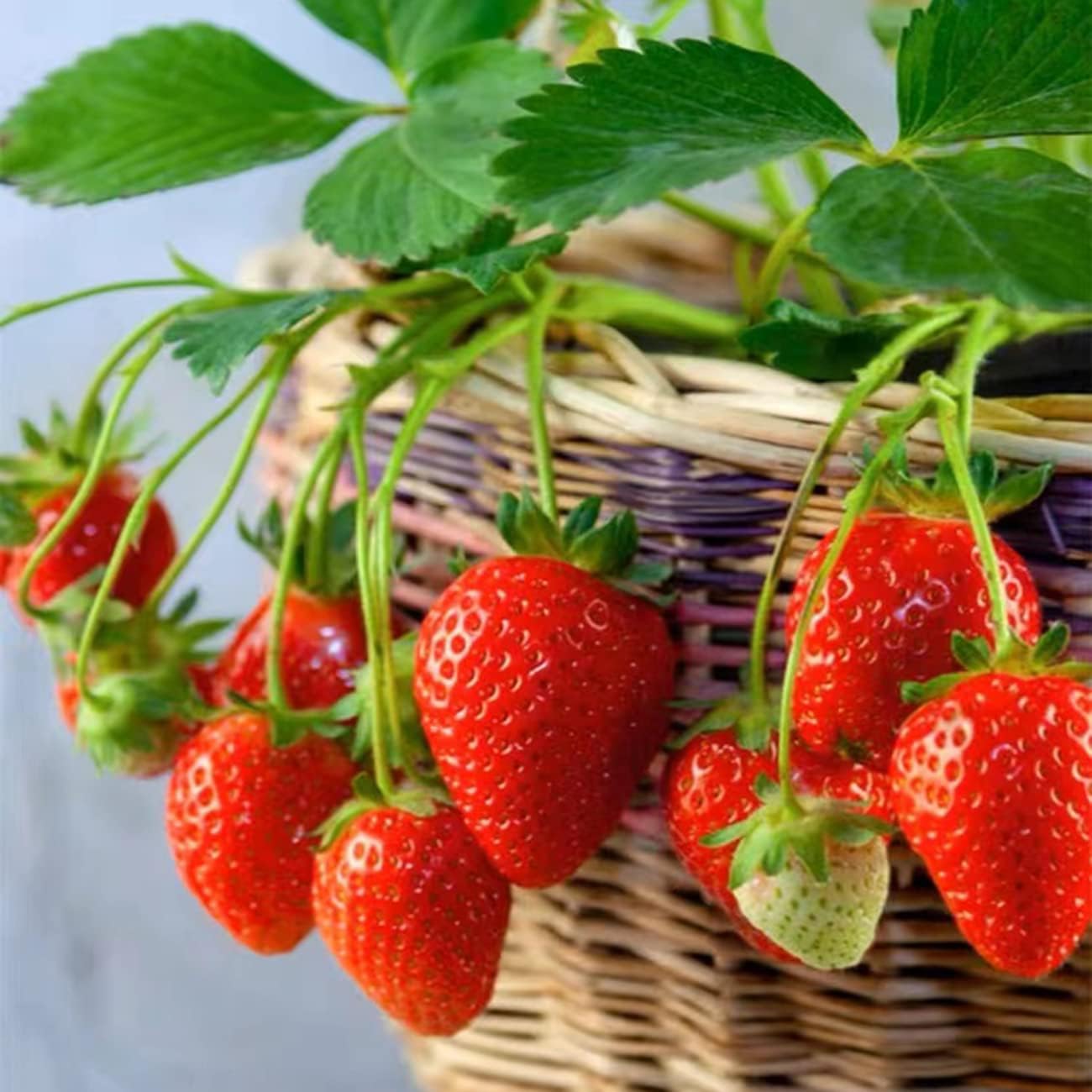
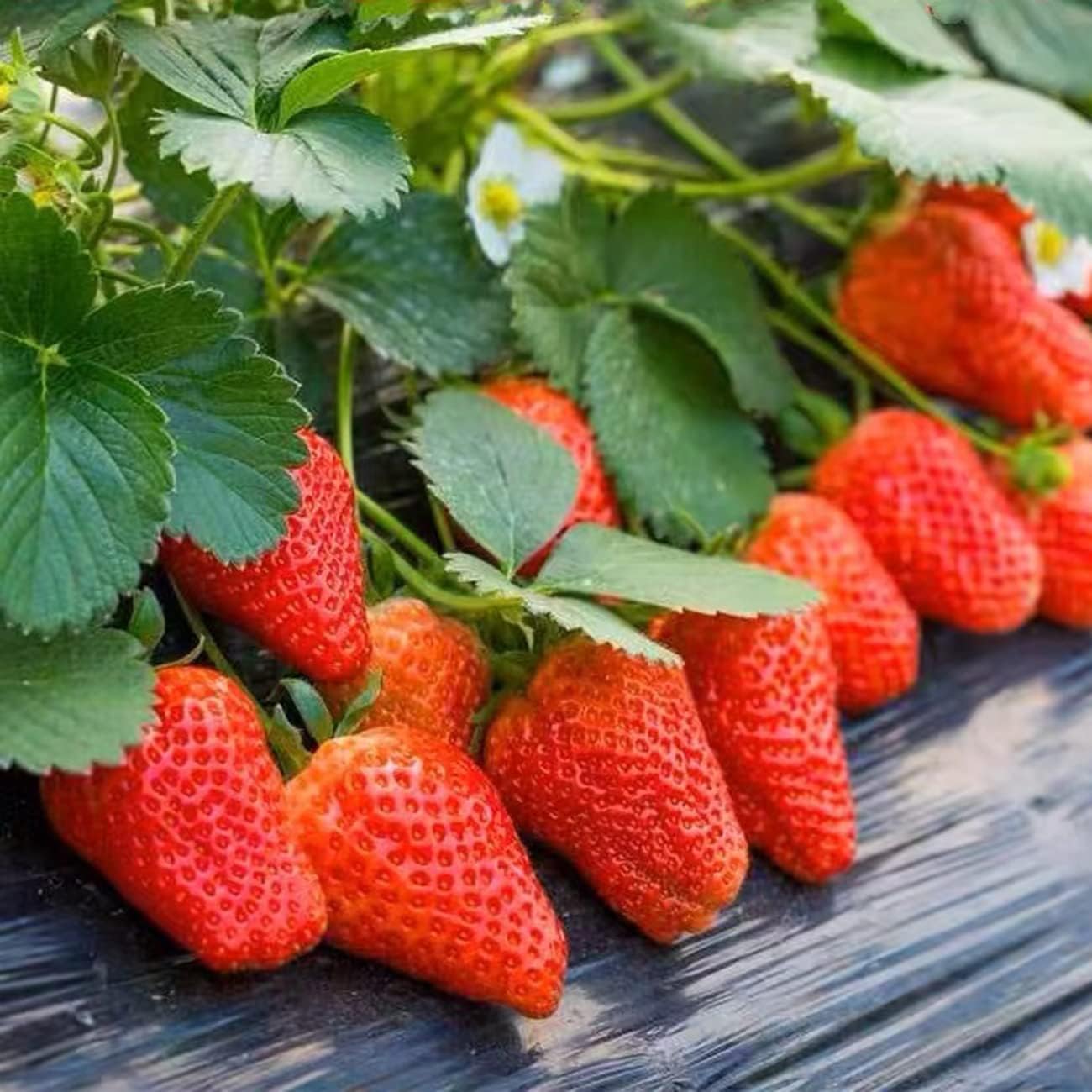
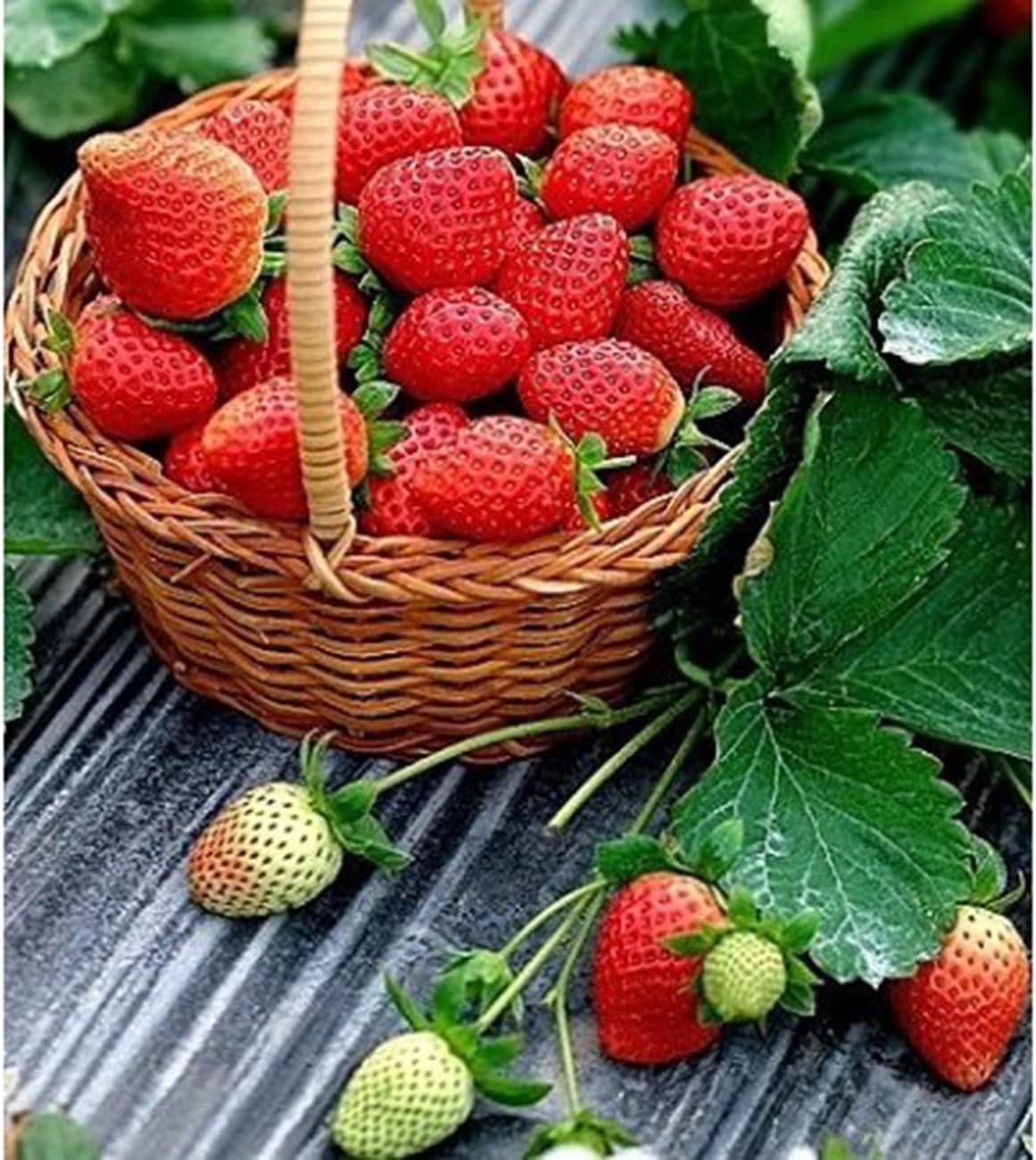
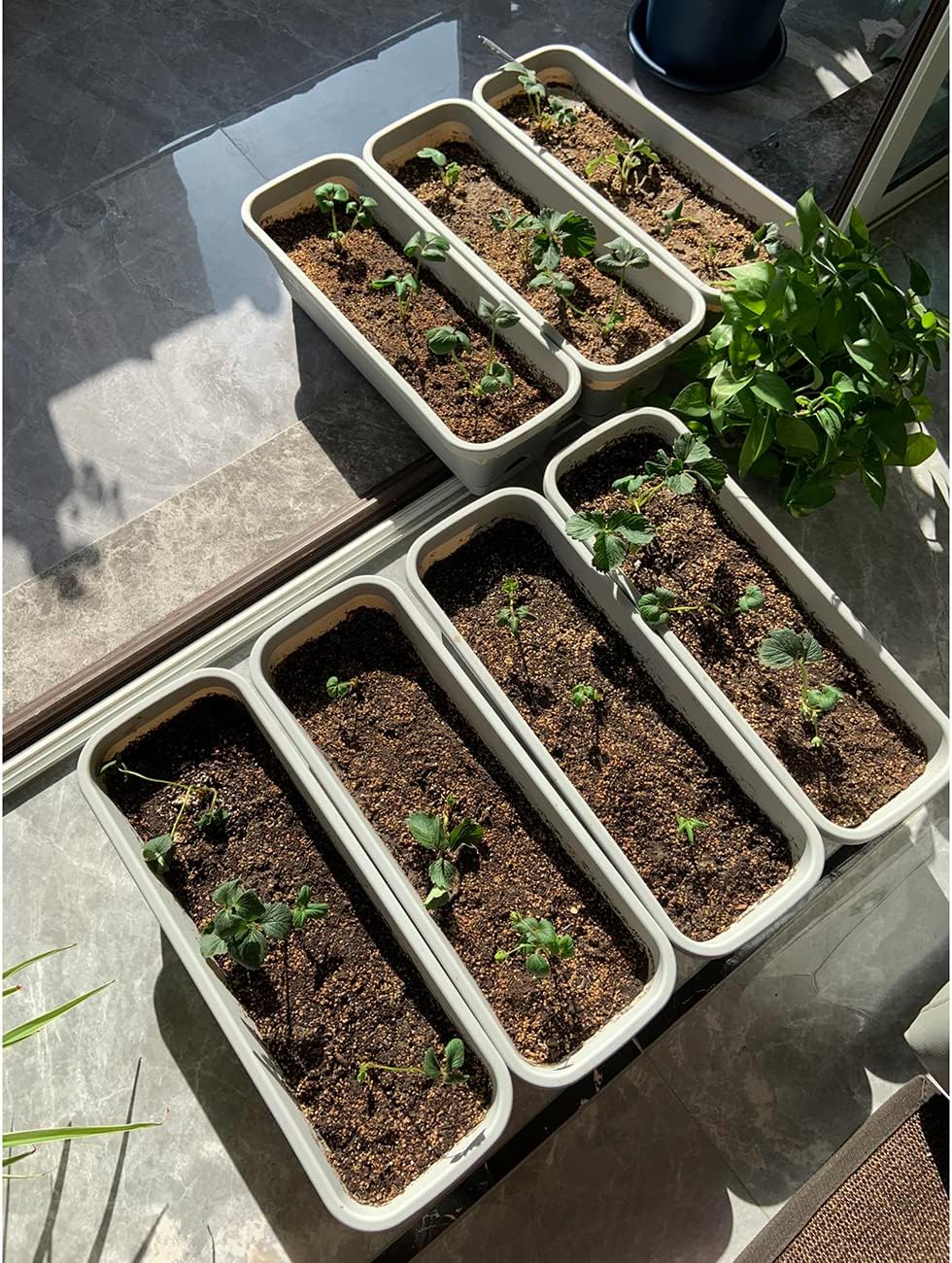
2300+ Seeds Perpetual Strawberry Four Seasons Strawberry Seeds Fruit Seed for Planting Heirloom Non-GMO Seed for Hydroponic Garden Sweet High Yields
Quantity
-
Detail
Brand VISTATU Material Feature GMO Free Color Red Sunlight Exposure Full Sun Unit Count 2300.0 Count Number of Pieces 4 Number of Items 1 UPC 725764857621 Style VISTATU Strawberry Seeds
About this item
- 2300+ Non-GMO red strawberry seeds per pack. 2-4 seeds per plant. Great for beginners and seasoned gardeners alike.
- Funny - Whether they are spotted in your yard or as part of a tasty treat, strawberries are sure to spark attention! The fruits are rich in vitamin C and are commonly eaten fresh as a dessert fruit, are used as a pastry or pie filling, and may be preserved in many ways.
- Healthy - Fresh veggies and fruits are the best and they don't get any fresher than straight from your garden! Delicious food is one of life's pleasures.
- Perfect gift - Strawberry is widely appreciated for its characteristic aroma, bright red color, juicy texture, and sweetness.
- Made in USA - It makes excellent for moms, adults and gardening box for men. Share with your family and friends its happiness from germination to flowering and fruiting.If the package is damaged, in insufficient quantity, or can not germinate, please contact us to replace it for you.
›
Sunlight Exposure Full Sun
Scientific name: Four season red strawberry
Light: Grow better under sufficient sunlight.
Substrate: loose, fertile, well drained slightly acidic soil.
Water: Water deeply by soaking the soil and avoiding spray. Water regularly.
Temperature:the optimal temperature is 5-30℃(19.6-92.4℉). The optimal growth environment temperature is about 15-25℃(78.4-92.4℉).
Renovate the soil: Cultivation precautions to change the soil regularly, improve the soil permeability, so that strawberry roots breathe better. Remenber to choose a sunny day.
Transplanting: To make strawberries big and sweet, use the transplanting method, which involves digging the seedlings out of the soil and planting them in rich soil. -
Customer ReviewsNo comments
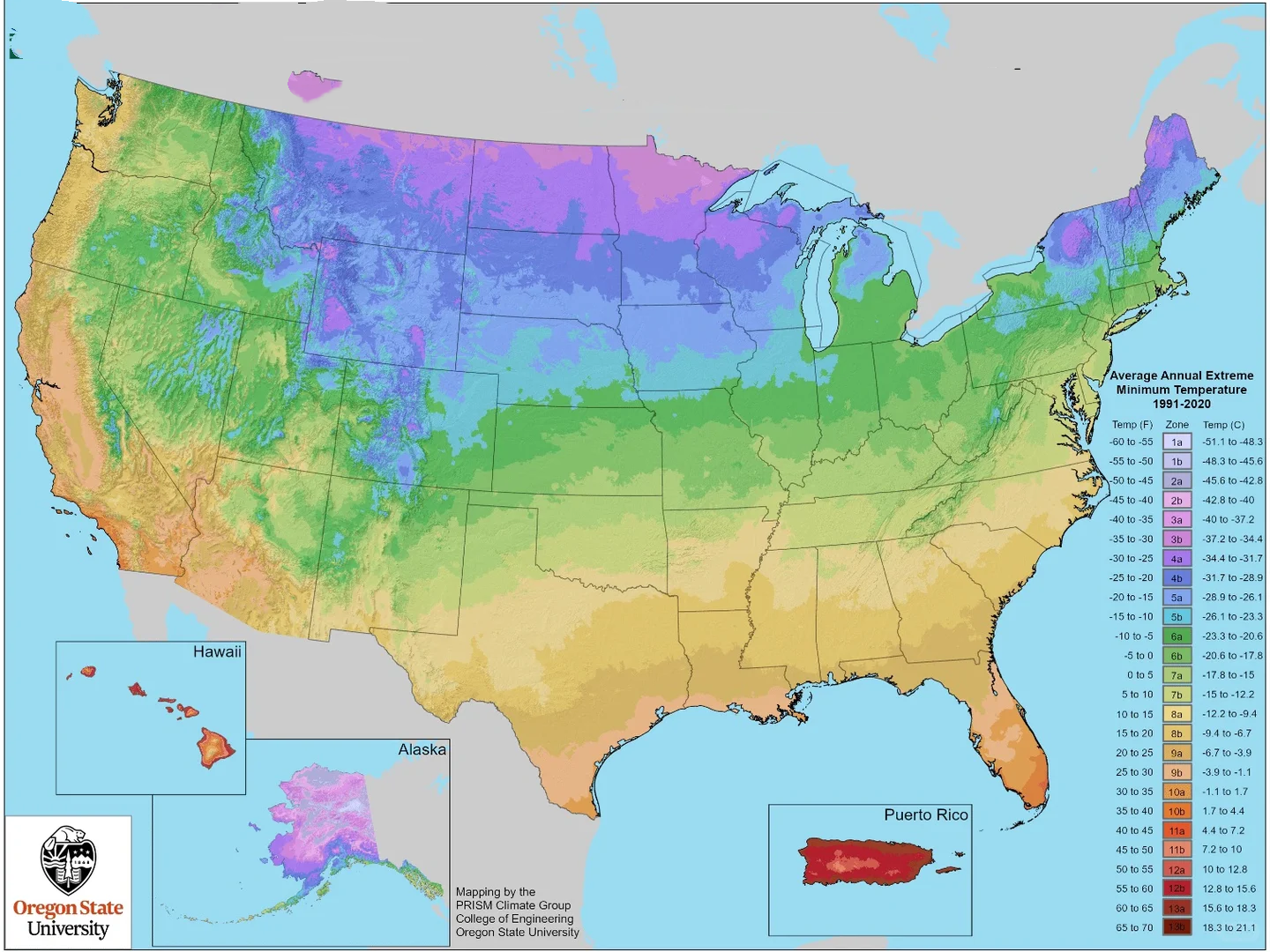
Here's the latest USDA Plant Hardiness Zone Map
- a colorful guide showing which perennial plants are most likely to survive winter in different regions across the U.S. and parts of North America.